Share this article

Septic system installation in Greenville requires more than digging a hole and dropping in a tank. It demands custom engineering for the area's high water table, plus navigating three separate state permits before you can legally flush a toilet. Skip a step, and you risk fines, delays, or a system that fails within a few short years.


Homeowners and builders across the region face a unique set of challenges that don't exist in drier, hillier parts of the state. Understanding these factors upfront saves money and headaches down the road. Here's what you need to know before breaking ground.

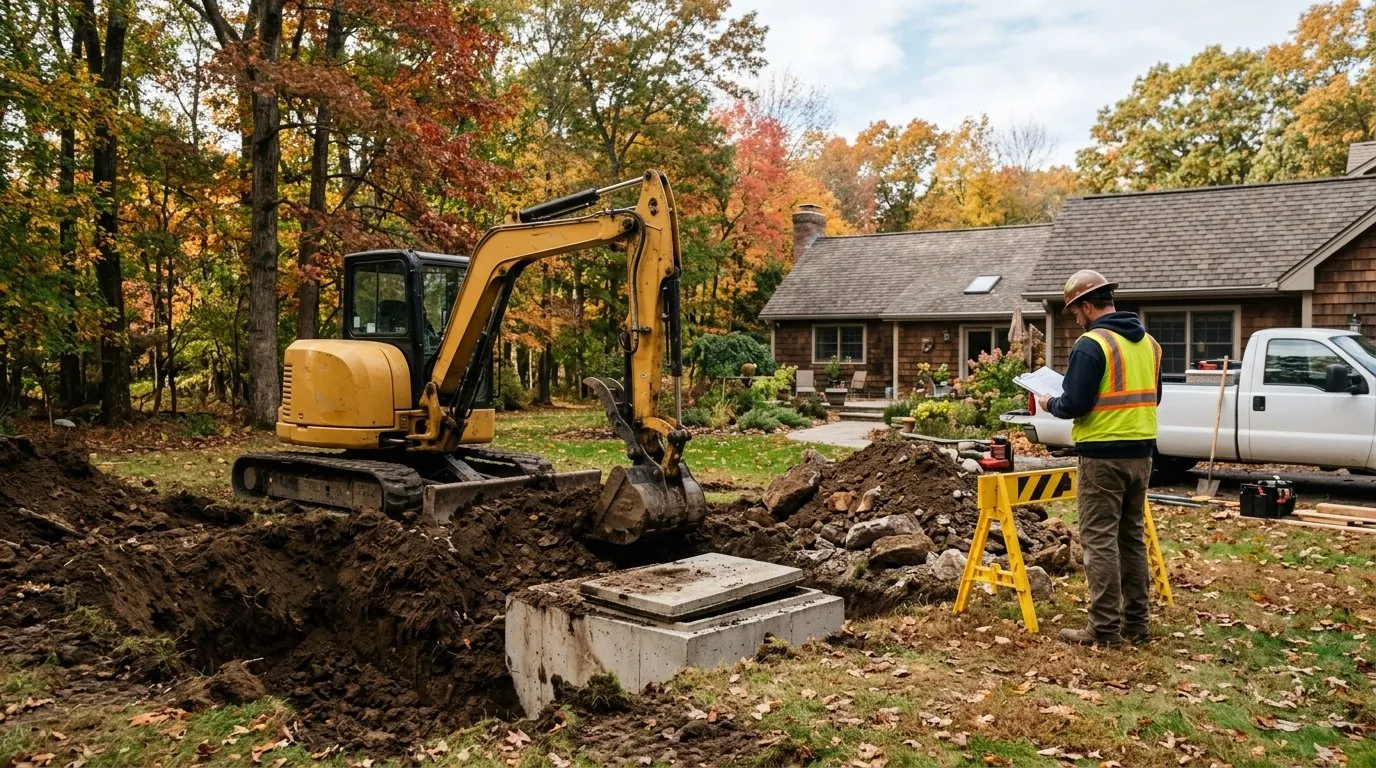
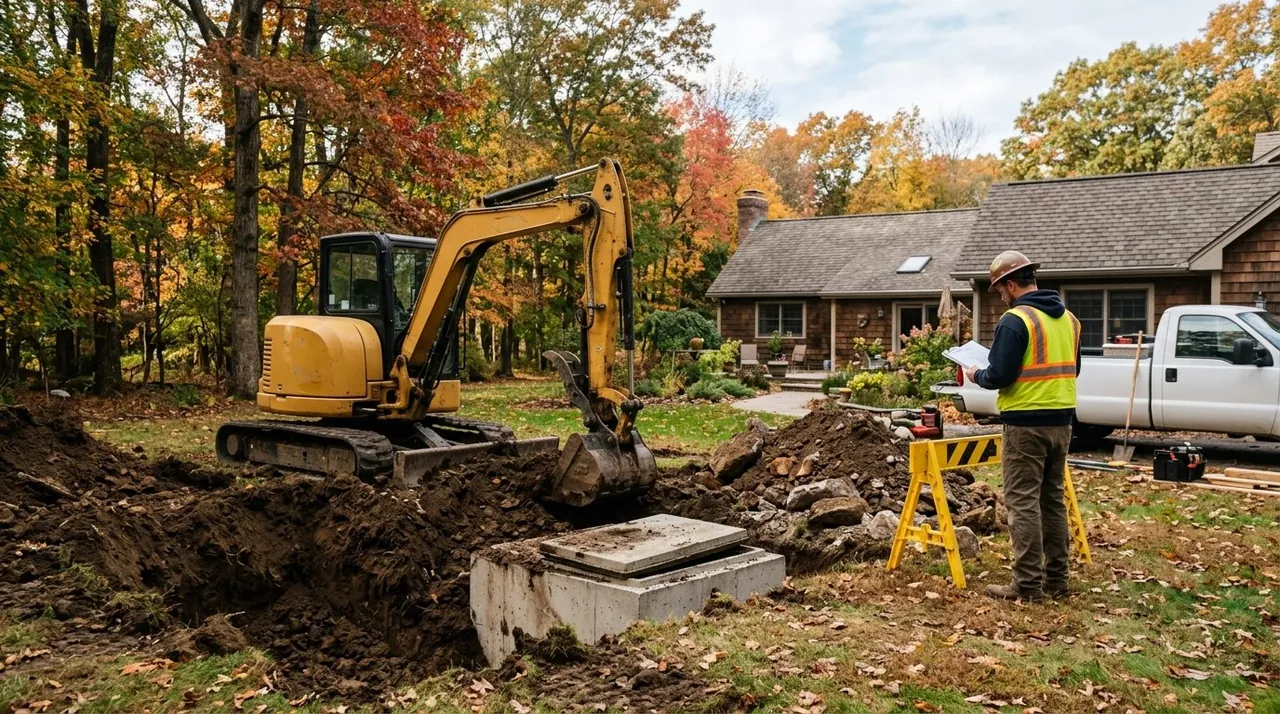
Excavator digging a pit during septic system installation in Greenville on a clear fall morning.

Why Installation Looks Different Here

Greenville sits on North Carolina's flat coastal plain, close to the Tar River floodplain. That geography means the seasonal water table can rise to within just a few feet of the surface during wet months.


Conventional gravity drain fields need dry soil to filter wastewater properly. When groundwater climbs, it saturates that soil fast. The result can be effluent pooling in your yard or backing up into your home's plumbing system.


This is why many properties in the area require alternative designs. Low-pressure pipe systems or advanced treatment units are common solutions that account for a fluctuating water table. A qualified contractor will test your soil and design around these conditions rather than forcing a standard system that won't hold up.

The Three-Permit Process for Septic System Installation in Greenville

North Carolina's onsite wastewater rules (15A NCAC 18E) standardized how counties handle septic approvals. For any new septic system installation in Greenville, you'll move through three distinct permits before your system is legal to use. You can learn more about the full process on our septic system installation page.

Here's the breakdown:

  • Improvement Permit (IP): Confirms your soil can actually support a septic system before anything is designed.
  • Construction Authorization (CA): Approves the specific engineering plan for your property, including any special components needed for wet soils.
  • Operation Permit (OP): The final county sign-off, issued only after installation and inspection are complete.


Miss any one of these, and your system isn't legally operational. Working with a certified contractor who handles this paperwork routinely keeps your project on schedule.

Bedroom Count Drives System Size

Unlike some states, North Carolina sizes septic capacity by bedroom count, not square footage. Adding a bedroom later means recalculating your system's capacity, not just your home's layout.


There's another detail many homeowners miss. If your home includes a garbage disposal, state rules require a tank that's 50% larger than standard. That typically means upgrading from a 1,000-gallon tank to a 1,500-gallon tank to handle the faster buildup of solids.


Planning ahead for these requirements during the design phase avoids costly rework later. A contractor familiar with local soil conditions and county requirements will factor this in from day one.

New Insurance Protections for Homeowners

A recent legislative update adds another layer of protection for property owners. House Bill 376 (Session Law 2026-32) introduces a new mandate. Certified septic contractors must now carry general liability insurance for any certified project they take on.


This matters because installation work involves heavy equipment and underground infrastructure on your property. Choosing a contractor who already carries proper coverage protects your investment against accidental damage. It's worth asking about insurance now, even before the requirement takes effect.

Signs Your Property Needs a Custom Approach

Not every lot in the area needs special engineering, but many do.

Watch for these warning signs before you finalize a system design:

  1. Standing water or soft, spongy ground in your yard, especially after rain.
  2. A lot located close to a creek, ditch, or low-lying drainage area.
  3. Neighboring properties with known drain field issues or repeated pumping needs.
  4. Soil that stays damp for days after storms clear up.


Any of these signs point toward the need for an alternative system design rather than a standard gravity setup. Catching this early, during the Improvement Permit stage, prevents expensive redesigns mid-project.


Customers who've worked with ASAP Septic Systems Inc often mention how quickly complex jobs get done once the plan is set. One recent installation, including full demolition of an old tank, was completed in just a few hours once the crew arrived on site. That kind of efficiency matters when you're trying to keep a build on schedule.

Frequently Asked Questions

  • How long does the full permit process take for a new septic system?

    Timelines vary based on soil testing results and county workload. Starting the Improvement Permit early in your planning process helps avoid delays later in construction.

  • Can I install a standard gravity system anywhere in Greenville?

    Not always. Properties with a high seasonal water table or heavy clay soil often need an alternative design like a low-pressure pipe system to meet state requirements.

  • Do I need a new permit if I add a bedroom to my existing home?

    Yes. Since system capacity is based on bedroom count, adding a bedroom typically requires reevaluating your septic system's size and may require additional permitting.

  • What happens if I skip the Operation Permit?

    Using a septic system without an Operation Permit isn't legal. This can create problems later, especially if you sell the home or face a county inspection.

If you're planning a build, an addition, or replacing a failing system, get the design right the first time. Reach out to ASAP Septic Systems Inc to schedule a soil evaluation and start your permit process the right way.

Recent Posts

septic system inspection
August 12, 2026
Buying a home in Greenville, NC? A septic system inspection can save you from a $20,000 surprise. Here's what every buyer must know before closing.
septic system inspection in Greenville NC
July 3, 2026
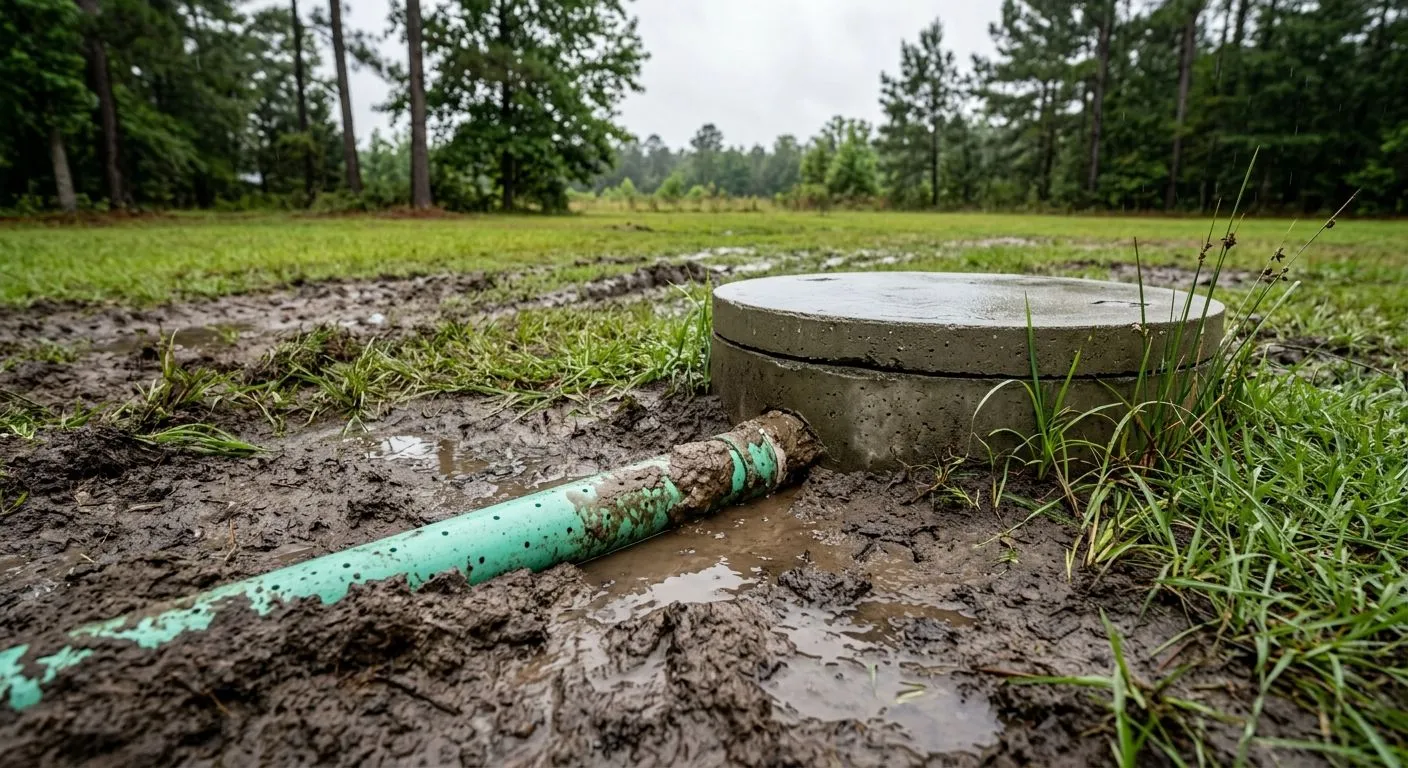
Learn why Greenville, NC homeowners experience septic backups after storms, what a high water table does to your drainfield, and when to schedule a professional septic system inspection.
Emergency Septic Service in Greenville
June 12, 2026
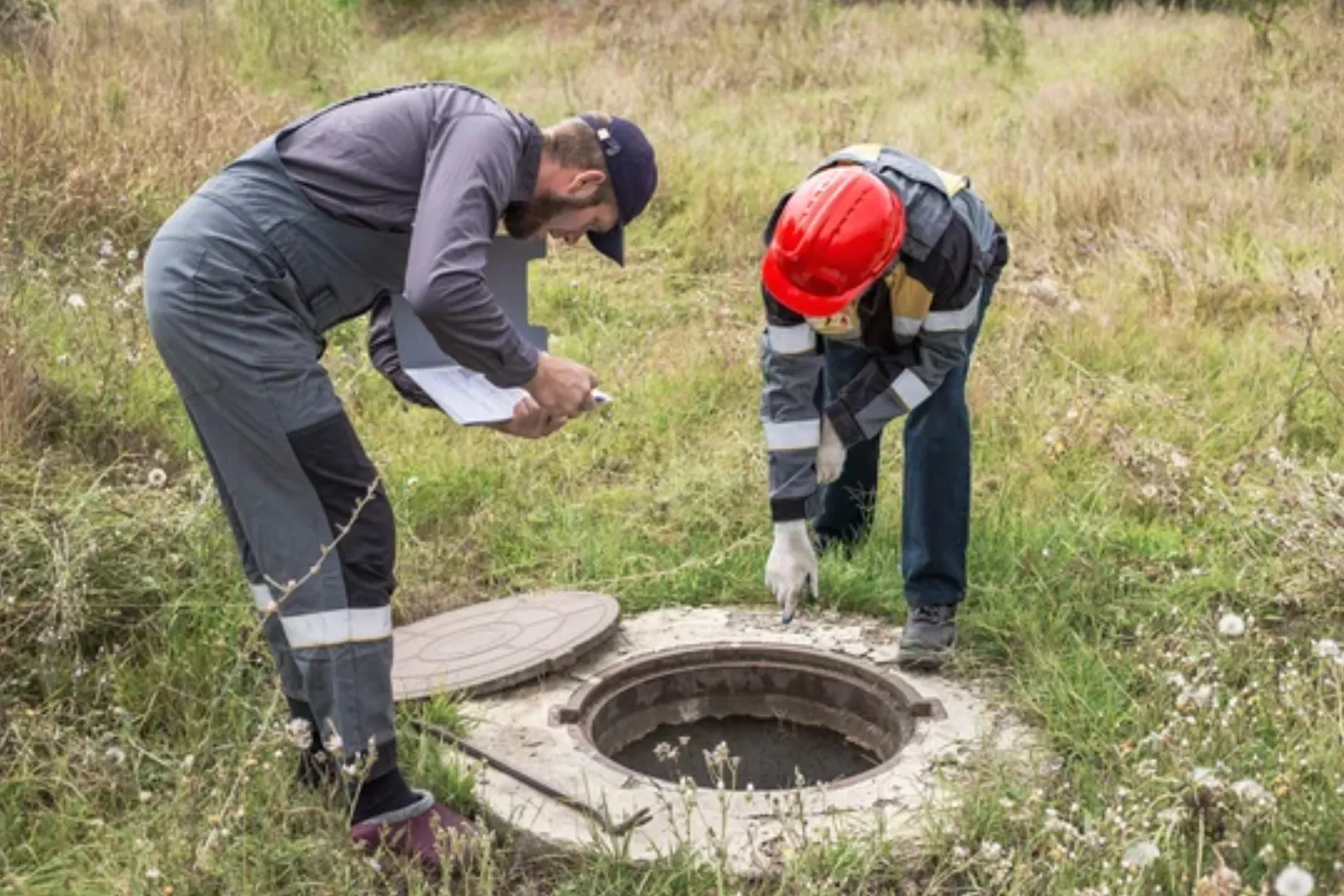
Learn the warning signs of a septic emergency, what steps to take, and when to call for professional emergency septic service before problems get worse.
Professional Septic Services in Greenville, NC
May 29, 2026
Learn how to maintain your septic system with practical homeowner tips, inspection advice, and pumping recommendations to help prevent costly repairs.
Share this article

Septic system installation in Greenville requires more than digging a hole and dropping in a tank. It demands custom engineering for the area's high water table, plus navigating three separate state permits before you can legally flush a toilet. Skip a step, and you risk fines, delays, or a system that fails within a few short years.


Homeowners and builders across the region face a unique set of challenges that don't exist in drier, hillier parts of the state. Understanding these factors upfront saves money and headaches down the road. Here's what you need to know before breaking ground.

Excavator digging a pit during septic system installation in Greenville on a clear fall morning.

Why Installation Looks Different Here

Greenville sits on North Carolina's flat coastal plain, close to the Tar River floodplain. That geography means the seasonal water table can rise to within just a few feet of the surface during wet months.


Conventional gravity drain fields need dry soil to filter wastewater properly. When groundwater climbs, it saturates that soil fast. The result can be effluent pooling in your yard or backing up into your home's plumbing system.


This is why many properties in the area require alternative designs. Low-pressure pipe systems or advanced treatment units are common solutions that account for a fluctuating water table. A qualified contractor will test your soil and design around these conditions rather than forcing a standard system that won't hold up.

The Three-Permit Process for Septic System Installation in Greenville

North Carolina's onsite wastewater rules (15A NCAC 18E) standardized how counties handle septic approvals. For any new septic system installation in Greenville, you'll move through three distinct permits before your system is legal to use. You can learn more about the full process on our septic system installation page.

Here's the breakdown:

  • Improvement Permit (IP): Confirms your soil can actually support a septic system before anything is designed.
  • Construction Authorization (CA): Approves the specific engineering plan for your property, including any special components needed for wet soils.
  • Operation Permit (OP): The final county sign-off, issued only after installation and inspection are complete.


Miss any one of these, and your system isn't legally operational. Working with a certified contractor who handles this paperwork routinely keeps your project on schedule.

Bedroom Count Drives System Size

Unlike some states, North Carolina sizes septic capacity by bedroom count, not square footage. Adding a bedroom later means recalculating your system's capacity, not just your home's layout.


There's another detail many homeowners miss. If your home includes a garbage disposal, state rules require a tank that's 50% larger than standard. That typically means upgrading from a 1,000-gallon tank to a 1,500-gallon tank to handle the faster buildup of solids.


Planning ahead for these requirements during the design phase avoids costly rework later. A contractor familiar with local soil conditions and county requirements will factor this in from day one.

New Insurance Protections for Homeowners

A recent legislative update adds another layer of protection for property owners. House Bill 376 (Session Law 2026-32) introduces a new mandate. Certified septic contractors must now carry general liability insurance for any certified project they take on.


This matters because installation work involves heavy equipment and underground infrastructure on your property. Choosing a contractor who already carries proper coverage protects your investment against accidental damage. It's worth asking about insurance now, even before the requirement takes effect.

Signs Your Property Needs a Custom Approach

Not every lot in the area needs special engineering, but many do.

Watch for these warning signs before you finalize a system design:

  1. Standing water or soft, spongy ground in your yard, especially after rain.
  2. A lot located close to a creek, ditch, or low-lying drainage area.
  3. Neighboring properties with known drain field issues or repeated pumping needs.
  4. Soil that stays damp for days after storms clear up.


Any of these signs point toward the need for an alternative system design rather than a standard gravity setup. Catching this early, during the Improvement Permit stage, prevents expensive redesigns mid-project.


Customers who've worked with ASAP Septic Systems Inc often mention how quickly complex jobs get done once the plan is set. One recent installation, including full demolition of an old tank, was completed in just a few hours once the crew arrived on site. That kind of efficiency matters when you're trying to keep a build on schedule.

Frequently Asked Questions

  • How long does the full permit process take for a new septic system?

    Timelines vary based on soil testing results and county workload. Starting the Improvement Permit early in your planning process helps avoid delays later in construction.

  • Can I install a standard gravity system anywhere in Greenville?

    Not always. Properties with a high seasonal water table or heavy clay soil often need an alternative design like a low-pressure pipe system to meet state requirements.

  • Do I need a new permit if I add a bedroom to my existing home?

    Yes. Since system capacity is based on bedroom count, adding a bedroom typically requires reevaluating your septic system's size and may require additional permitting.

  • What happens if I skip the Operation Permit?

    Using a septic system without an Operation Permit isn't legal. This can create problems later, especially if you sell the home or face a county inspection.

If you're planning a build, an addition, or replacing a failing system, get the design right the first time. Reach out to ASAP Septic Systems Inc to schedule a soil evaluation and start your permit process the right way.

Recent Posts

septic system inspection
August 12, 2026
Buying a home in Greenville, NC? A septic system inspection can save you from a $20,000 surprise. Here's what every buyer must know before closing.
septic system inspection in Greenville NC
July 3, 2026
Learn why Greenville, NC homeowners experience septic backups after storms, what a high water table does to your drainfield, and when to schedule a professional septic system inspection.
Emergency Septic Service in Greenville
June 12, 2026
Learn the warning signs of a septic emergency, what steps to take, and when to call for professional emergency septic service before problems get worse.
Professional Septic Services in Greenville, NC
May 29, 2026
Learn how to maintain your septic system with practical homeowner tips, inspection advice, and pumping recommendations to help prevent costly repairs.
Share this article

Septic system installation in Greenville requires more than digging a hole and dropping in a tank. It demands custom engineering for the area's high water table, plus navigating three separate state permits before you can legally flush a toilet. Skip a step, and you risk fines, delays, or a system that fails within a few short years.


Homeowners and builders across the region face a unique set of challenges that don't exist in drier, hillier parts of the state. Understanding these factors upfront saves money and headaches down the road. Here's what you need to know before breaking ground.

Excavator digging a pit during septic system installation in Greenville on a clear fall morning.

Why Installation Looks Different Here

Greenville sits on North Carolina's flat coastal plain, close to the Tar River floodplain. That geography means the seasonal water table can rise to within just a few feet of the surface during wet months.


Conventional gravity drain fields need dry soil to filter wastewater properly. When groundwater climbs, it saturates that soil fast. The result can be effluent pooling in your yard or backing up into your home's plumbing system.


This is why many properties in the area require alternative designs. Low-pressure pipe systems or advanced treatment units are common solutions that account for a fluctuating water table. A qualified contractor will test your soil and design around these conditions rather than forcing a standard system that won't hold up.

The Three-Permit Process for Septic System Installation in Greenville

North Carolina's onsite wastewater rules (15A NCAC 18E) standardized how counties handle septic approvals. For any new septic system installation in Greenville, you'll move through three distinct permits before your system is legal to use. You can learn more about the full process on our septic system installation page.

Here's the breakdown:

  • Improvement Permit (IP): Confirms your soil can actually support a septic system before anything is designed.
  • Construction Authorization (CA): Approves the specific engineering plan for your property, including any special components needed for wet soils.
  • Operation Permit (OP): The final county sign-off, issued only after installation and inspection are complete.


Miss any one of these, and your system isn't legally operational. Working with a certified contractor who handles this paperwork routinely keeps your project on schedule.

Bedroom Count Drives System Size

Unlike some states, North Carolina sizes septic capacity by bedroom count, not square footage. Adding a bedroom later means recalculating your system's capacity, not just your home's layout.


There's another detail many homeowners miss. If your home includes a garbage disposal, state rules require a tank that's 50% larger than standard. That typically means upgrading from a 1,000-gallon tank to a 1,500-gallon tank to handle the faster buildup of solids.


Planning ahead for these requirements during the design phase avoids costly rework later. A contractor familiar with local soil conditions and county requirements will factor this in from day one.

New Insurance Protections for Homeowners

A recent legislative update adds another layer of protection for property owners. House Bill 376 (Session Law 2026-32) introduces a new mandate. Certified septic contractors must now carry general liability insurance for any certified project they take on.


This matters because installation work involves heavy equipment and underground infrastructure on your property. Choosing a contractor who already carries proper coverage protects your investment against accidental damage. It's worth asking about insurance now, even before the requirement takes effect.

Signs Your Property Needs a Custom Approach

Not every lot in the area needs special engineering, but many do.

Watch for these warning signs before you finalize a system design:

  1. Standing water or soft, spongy ground in your yard, especially after rain.
  2. A lot located close to a creek, ditch, or low-lying drainage area.
  3. Neighboring properties with known drain field issues or repeated pumping needs.
  4. Soil that stays damp for days after storms clear up.


Any of these signs point toward the need for an alternative system design rather than a standard gravity setup. Catching this early, during the Improvement Permit stage, prevents expensive redesigns mid-project.


Customers who've worked with ASAP Septic Systems Inc often mention how quickly complex jobs get done once the plan is set. One recent installation, including full demolition of an old tank, was completed in just a few hours once the crew arrived on site. That kind of efficiency matters when you're trying to keep a build on schedule.

Frequently Asked Questions

  • How long does the full permit process take for a new septic system?

    Timelines vary based on soil testing results and county workload. Starting the Improvement Permit early in your planning process helps avoid delays later in construction.

  • Can I install a standard gravity system anywhere in Greenville?

    Not always. Properties with a high seasonal water table or heavy clay soil often need an alternative design like a low-pressure pipe system to meet state requirements.

  • Do I need a new permit if I add a bedroom to my existing home?

    Yes. Since system capacity is based on bedroom count, adding a bedroom typically requires reevaluating your septic system's size and may require additional permitting.

  • What happens if I skip the Operation Permit?

    Using a septic system without an Operation Permit isn't legal. This can create problems later, especially if you sell the home or face a county inspection.

If you're planning a build, an addition, or replacing a failing system, get the design right the first time. Reach out to ASAP Septic Systems Inc to schedule a soil evaluation and start your permit process the right way.

Recent Posts

septic system inspection
August 12, 2026
Buying a home in Greenville, NC? A septic system inspection can save you from a $20,000 surprise. Here's what every buyer must know before closing.
septic system inspection in Greenville NC
July 3, 2026
Learn why Greenville, NC homeowners experience septic backups after storms, what a high water table does to your drainfield, and when to schedule a professional septic system inspection.
Emergency Septic Service in Greenville
June 12, 2026
Learn the warning signs of a septic emergency, what steps to take, and when to call for professional emergency septic service before problems get worse.
Professional Septic Services in Greenville, NC
May 29, 2026
Learn how to maintain your septic system with practical homeowner tips, inspection advice, and pumping recommendations to help prevent costly repairs.