Septic System Inspection: A Greenville Buyer's Guide
A septic system inspection before closing can be the difference between a smart home purchase and a costly disaster. In Greenville, North Carolina, this single step is one of the most overlooked parts of buying a home.
ASAP Septic Systems Inc has seen it happen more times than anyone should. A buyer closes on a home in Pitt County, skips the septic evaluation, and within months faces a failed drainfield. The repair bill rivals a new car. The good news: this is entirely preventable.
Why Greenville's Real Estate Market Creates Serious Septic Risk
North Carolina has roughly double the national average of homes relying on private septic systems. Nationally, about 25% of homes use septic. In North Carolina, that number sits near 50%. In the rural and semi-rural pockets surrounding Greenville, it climbs to nearly 80%.
That is a lot of private wastewater systems changing hands every year. And here is the critical issue: North Carolina has no statewide law requiring a septic system to be pumped or inspected during a real estate transaction.
This makes North Carolina a "buyer beware" state for septic. The legal burden falls entirely on you, the buyer. If a tank is cracked, a drainfield is saturated, or the system is undersized for the home's bedroom count, that problem becomes yours at closing.
The Real Cost of Skipping a Septic Inspection
Discovering a failed system after closing is not just inconvenient. It is expensive. Replacing a failed drainfield or a compromised tank in the Greenville area can run anywhere from $10,000 to $20,000.
That figure does not include landscaping restoration, temporary sewage solutions, or permit fees. It is a number that derails budgets fast. A certified
septic system inspection costs a fraction of that and gives buyers hard evidence before they commit.
What Eastern NC's Soil and Water Table Add to the Equation
Greenville's landscape creates challenges that simply do not exist in other parts of the state. The city sits in the flat coastal plain, where soils range from fast-draining sandy loam to dense, tight clay. Neither extreme is simple to manage for wastewater.
North Carolina regulations require a "Vertical Separation Distance" of 1.5 to 2 feet of unsaturated soil beneath drainfield trenches. This unsaturated layer acts as a natural filter. During heavy rains, tropical storms, or hurricanes, Greenville's water table can rise several feet within hours. These are all common seasonal threats in this region.
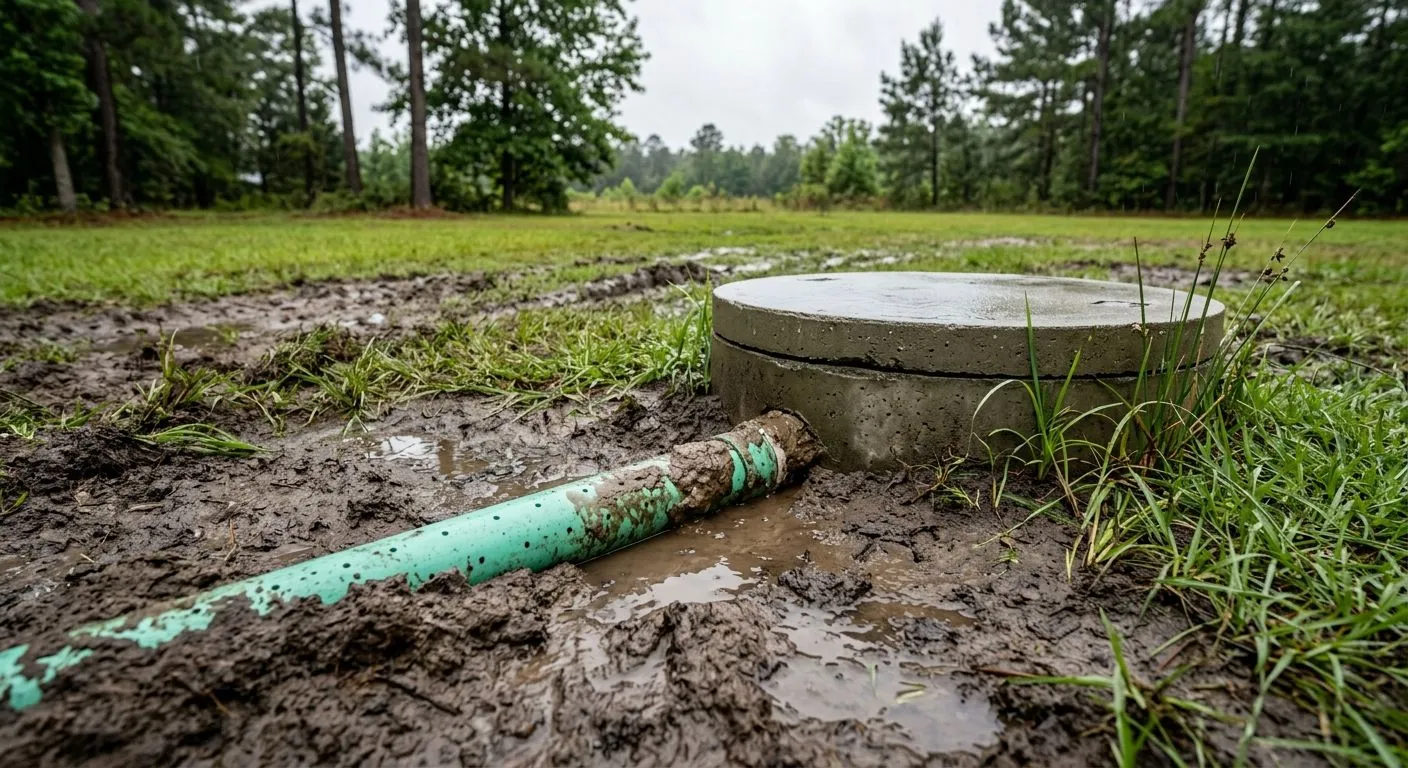
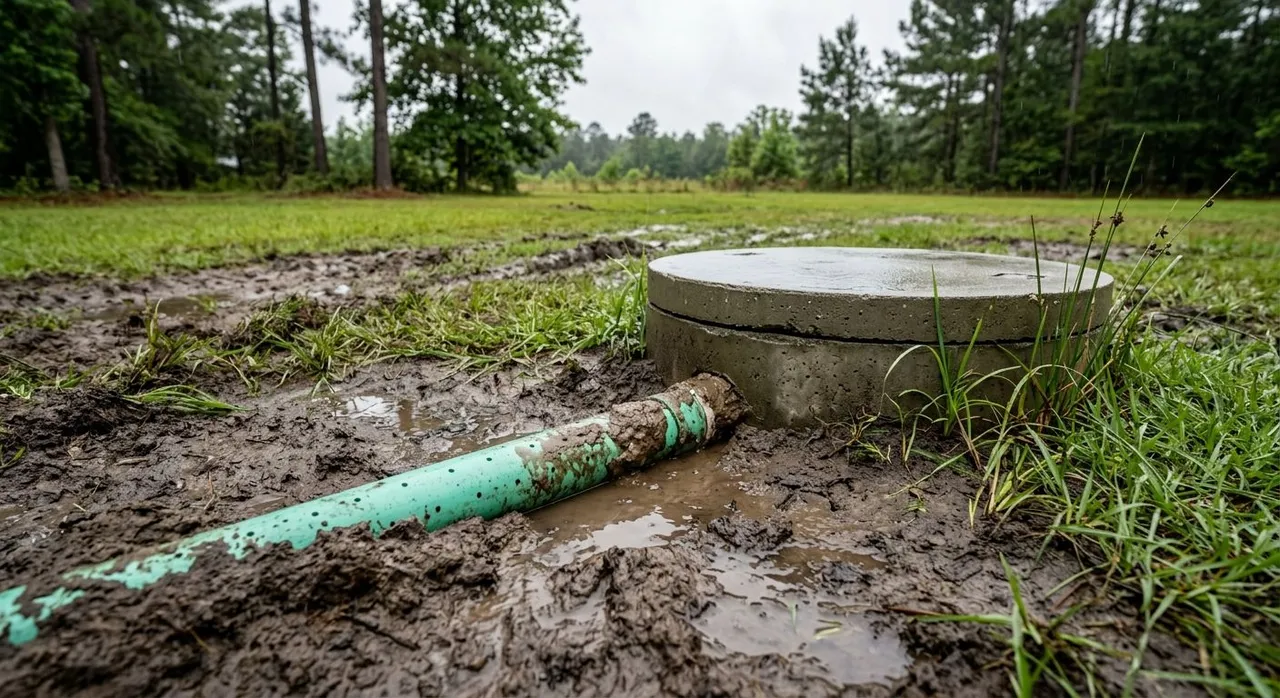
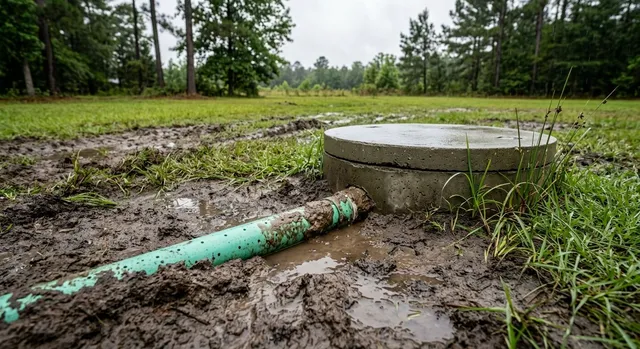
When that happens, the filter layer disappears. Wastewater has nowhere to go. This condition is called "hydraulic overload." It manifests as slow drains, gurgling pipes, or soggy patches in the yard. A home that looked fine during a dry-season showing may be hiding a system under serious stress.
This is exactly why a professional inspection matters. It evaluates not just whether the tank holds water, but whether the entire system is engineered to handle local conditions year-round.
What a Point-of-Sale Septic Inspection Actually Checks
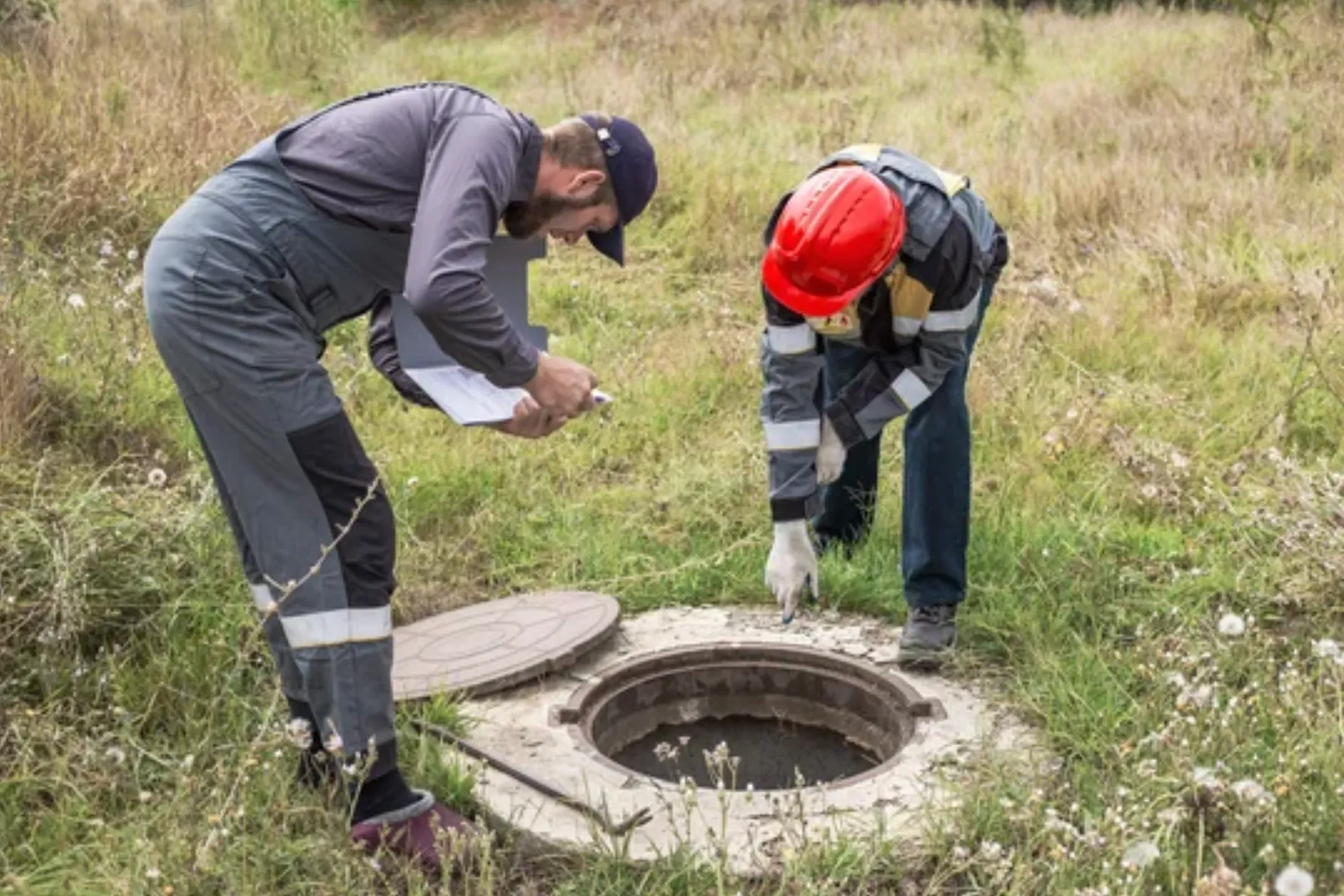
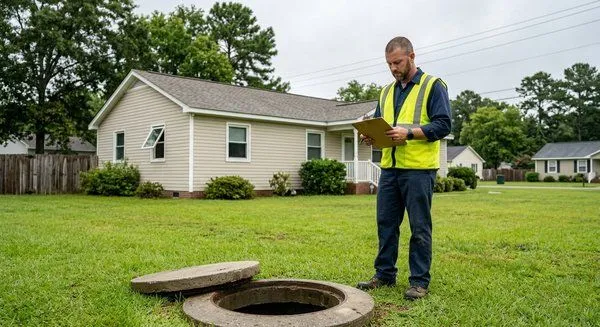
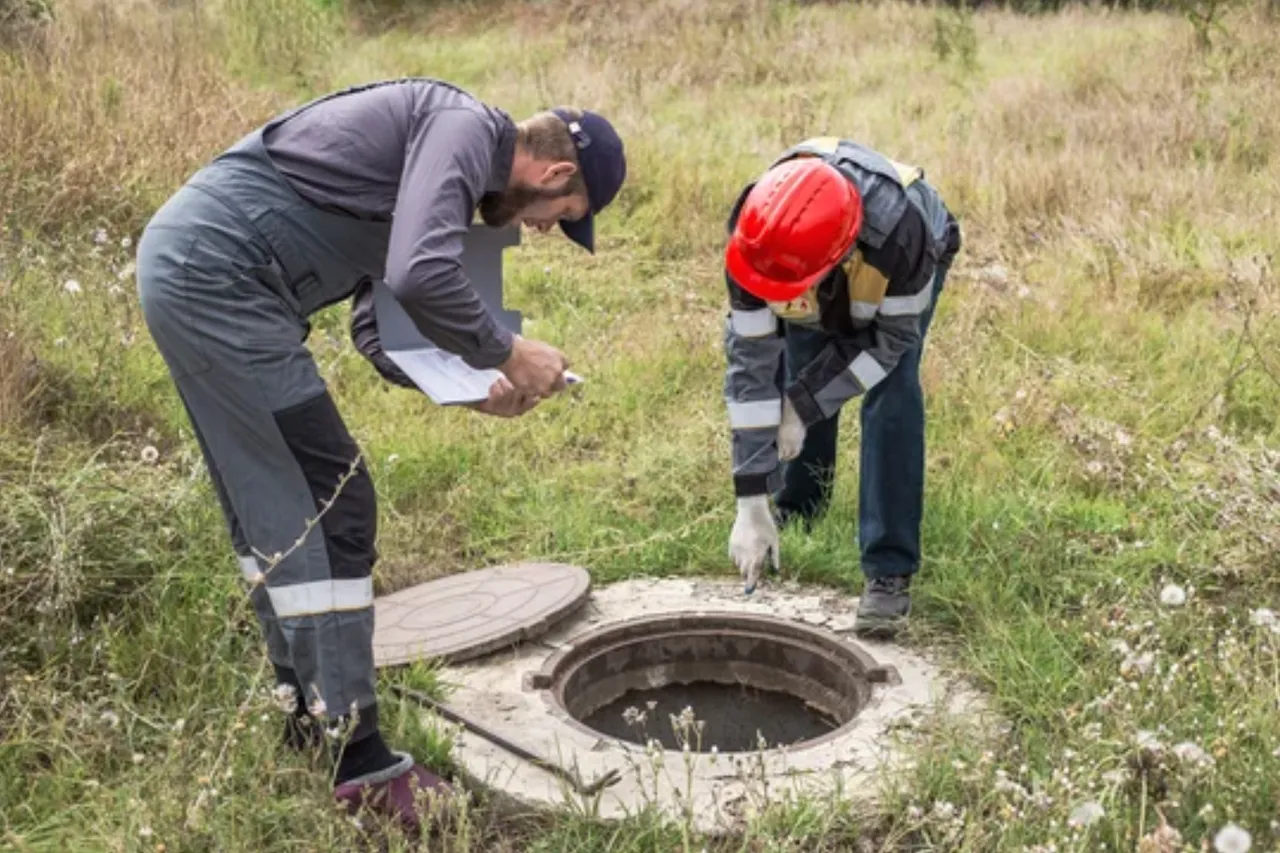
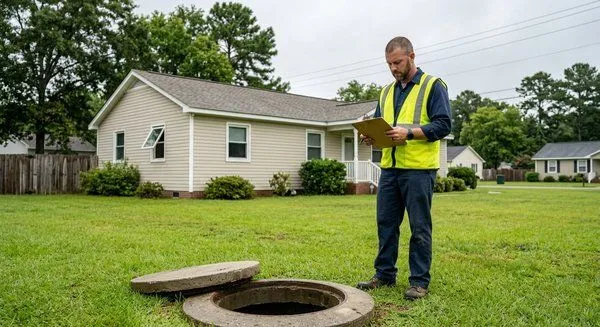
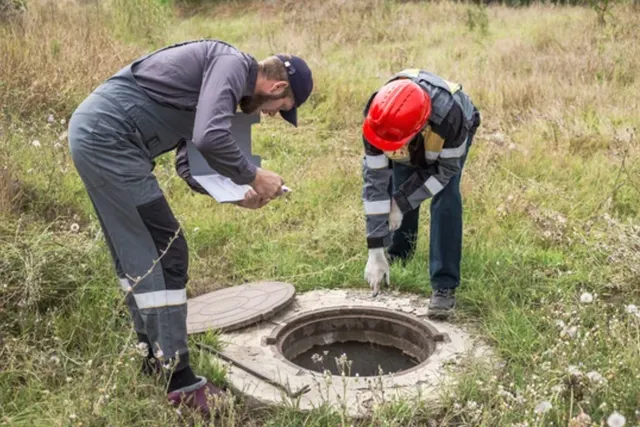
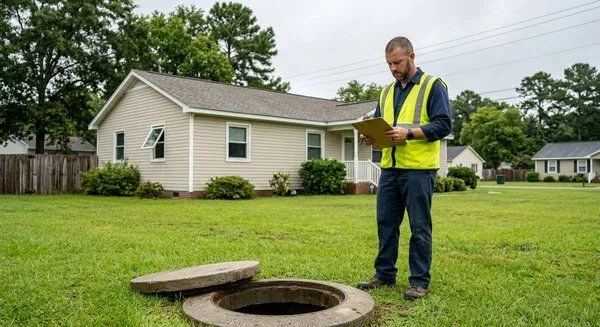
A thorough pre-purchase inspection covers far more than a visual glance at the tank lid.
Here is what a qualified inspector evaluates:
- Tank condition: checking for cracks, corrosion, and structural integrity
- Tank capacity: verifying the system is appropriately sized for the home's bedroom count
- Inlet and outlet baffles: ensuring wastewater flows correctly through the system
- Drainfield health: looking for signs of saturation, soil failure, or surface ponding
- Permit records: confirming the Pitt County Health Department permit matches the actual system installed
- System type: identifying whether the home uses a conventional gravity system or a more advanced engineered unit
That last point matters more in 2026 than it ever has before. Under North Carolina's updated wastewater regulations (15A NCAC 18E), standard gravity-fed systems are no longer approved for many local lots. Advanced systems like Aerobic Treatment Units are increasingly common. A buyer needs to know exactly what type of system they are inheriting and what its maintenance requirements are.
The Bedroom Count Problem: A Common Trap for Greenville Buyers
One of the most frequent causes of premature system failure in Pitt County is a simple mismatch. The home has three or four bedrooms. The original permit was issued for two. The system was never upgraded.
Every bedroom added to a home theoretically increases wastewater load. If a previous owner converted a bonus room or added a guest suite without updating the septic permit, the system may have been running over capacity for years. By the time a new buyer discovers the issue, the drainfield is often already degraded.
Verifying that the permit on file matches the actual bedroom count is a simple step. It is also one that many buyers skip entirely.
Selling a Home? An Inspection Protects You Too
Sellers benefit from pre-listing inspections as well. Knowing the system's condition before listing removes uncertainty from negotiations. If repairs are needed, a seller can address them on their own timeline rather than scrambling during escrow.
A clean inspection report can also be used as a selling point, especially in a market where buyers are increasingly savvy about hidden costs.
Frequently Asked Questions
How much does a septic inspection cost compared to a repair?
A pre-purchase inspection is a small upfront cost. A failed system discovered after closing can require $10,000 to $20,000 in repairs or full replacement, making the inspection one of the best investments in any home purchase.
What should I do if the system backs up right after a storm?
Do not assume the tank just needs pumping. In Greenville's coastal plain environment, storm-related backups are often caused by a high water table creating hydraulic overload. Pumping the tank will not solve that. A professional diagnostic inspection after the water table recedes is the right next step.
Does the seller have to disclose septic problems in North Carolina?
North Carolina's disclosure requirements are limited, and no statewide law requires a septic inspection at the time of sale. The responsibility to investigate and verify falls on the buyer, which is why ordering your own inspection is essential.
What is a Vertical Separation Distance and why does it matter?
It is the required depth of unsaturated soil beneath your drainfield that filters wastewater before it reaches groundwater. North Carolina requires 1.5 to 2 feet. In high-water-table areas like Greenville, this buffer can disappear during heavy rain events, which is a key factor inspectors assess.
Can I check Pitt County records for a home's septic permit myself?
Yes. The Pitt County Health Department maintains records of issued septic permits. Buyers can request these records to confirm system type, size, and permitted bedroom capacity before making an offer.
Protecting your investment starts with knowing what you are buying. If you are purchasing or selling a home in the Greenville area, do not leave one of the biggest systems on the property to chance.
Schedule a professional septic system inspection with ASAP Septic Systems Inc
and get the clarity you need before closing day.
Recent Posts