Septic Inspection in Greenville
When it comes to protecting your home or business, scheduling a professional septic inspection is one of the most important steps you can take. ASAP Septic Systems Inc provides dependable, accurate, and thorough septic system evaluations that ensure your system is functioning safely and efficiently. Our experienced team proudly serves Greenville, NC, and surrounding communities with exceptional care and service.
A properly conducted
septic tank inspection can identify concerns early, prevent expensive repairs, and help property owners maintain compliance with local regulations. If our inspection reveals any issues, our professional septic repair services can help restore your system’s performance and prevent further damage. Whether you need a residential septic tank inspection or a commercial septic inspection, our experts are equipped to deliver reliable results.
Septic System Inspection to Prevent Costly Repairs
Regular septic system inspection services from ASAP Septic Systems Inc help prevent major repairs and keep your system running efficiently. Our experienced professionals recommend routine inspections in Greenville to identify potential issues early and avoid costly clogs, backups, and overflows. A typical septic system inspection takes about an hour and is best scheduled during warmer months.
Comprehensive Septic Inspection Services for Your Property
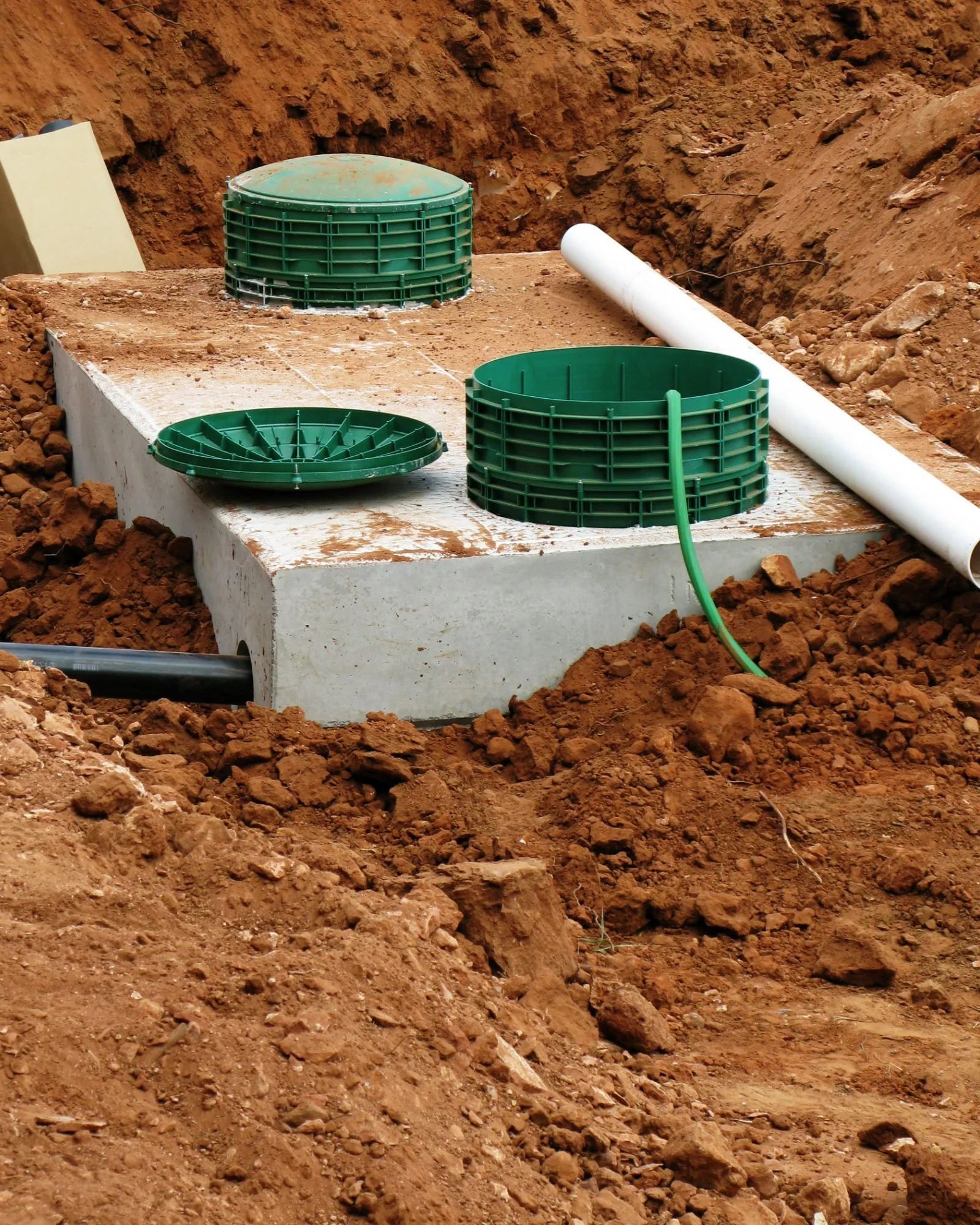
A septic services is essential for any property that relies on a septic system, and it should be performed regularly to keep your system operating at peak performance. Our septic system inspection services are designed to detect early signs of damage, clogs, or wear before they turn into costly issues. Each inspection includes a full assessment of your tank, drain field, components, and system performance.
During every
septic tank inspection service, we evaluate both visible and underground elements to give homeowners and business owners a complete picture of their system’s health. This process ensures you receive accurate recommendations and the peace of mind that your system is functioning correctly. We proudly serve both routine and emergency needs for residential and commercial customers across Greenville, NC.
Detailed Septic Inspection Solutions
At ASAP Septic Systems Inc, we offer a full range of septic inspection services tailored to the needs of both homeowners and businesses. Every inspection is performed with precision, advanced tools, and years of professional expertise.
Residential Septic Tank Inspection
A
residential septic tank inspection is critical for maintaining a safe, efficient, and long-lasting system. We assess tank levels, measure waste distribution, check for cracks or leaks, and make sure the drain field is working properly. For homeowners planning to sell or refinance their property, our thorough
septic system evaluations also help meet legal and real estate requirements.
Commercial Septic Inspection Services
Businesses rely on wastewater systems that can handle higher demand, which makes a
commercial septic inspection even more essential. Our experts thoroughly inspect tanks, grease traps, drain fields, and system flow to ensure everything meets commercial safety standards. We also provide detailed reports that help business owners plan maintenance, prevent downtime, and avoid costly system failures.
Complete Septic System Inspection
A
septic system inspection goes beyond checking the tank. Our technicians evaluate the full system, including distribution lines, baffles, pumps, risers, and soil absorption areas. If we find concerns, we provide recommendations for
septic tank repair or maintenance to restore full functionality. This prevents emergencies and ensures your system operates efficiently throughout the year.
Routine & Preventive Septic Tank Inspection Service
Routine
septic tank inspection service is one of the most effective ways to avoid expensive repairs and premature system failure. Our technicians recommend inspections every 1–3 years, depending on the size of your tank, the number of occupants, and system usage. Preventive care helps prolong the life of your tank and reduces the likelihood of overflows, backups, or system damage.
Inspect your septic tank before buying or selling
Our professional evaluations offer security and advantages to buyers when making an offer on a property in Greenville. Sellers are also advised to conduct a septic tank inspection in order to rectify any problems before placing their property on the market. Qualified inspection of any septic tank system before purchasing a home is crucial.
The Importance of Septic Inspections
Early Problem Detection
Regular septic inspection services help identify problems such as cracks, blockages, and system overloads before they escalate. Early detection saves property owners from costly repairs and potential property damage.
Protects Your Property & Environment
A failing septic system can contaminate groundwater and soil. Routine
septic system evaluations help ensure your wastewater is processed safely, protecting both your property and the surrounding environment.
Ensures Compliance & Peace of Mind
Many counties require regular septic tank inspections to comply with health and environmental guidelines. Our detailed inspection reports give you peace of mind knowing your septic system meets necessary standards and is functioning efficiently.
Reduces Long-Term Costs
Catching issues early prevents the need for major repairs or complete system replacements. Paired with
septic tank pumping services and preventive maintenance, an inspection is one of the best long-term investments you can make in your system.
Why Choosing Professionals Matters
A septic system is complex, and performing a septic tank inspection without the right tools or expertise can lead to incomplete or inaccurate results. Professional inspectors understand how each component should function, and they can recognize early symptoms of damage that untrained eyes may overlook. Certified technicians also follow local regulations, ensuring your system meets all required standards.
Hiring professionals also reduces the risk of unnecessary digging or damaging the system during an inspection. With advanced equipment and specialized training, a professional septic inspection provides accurate findings while protecting your tank, drain field, and property.
Why Choose ASAP Septic Systems Inc for Septic Inspections
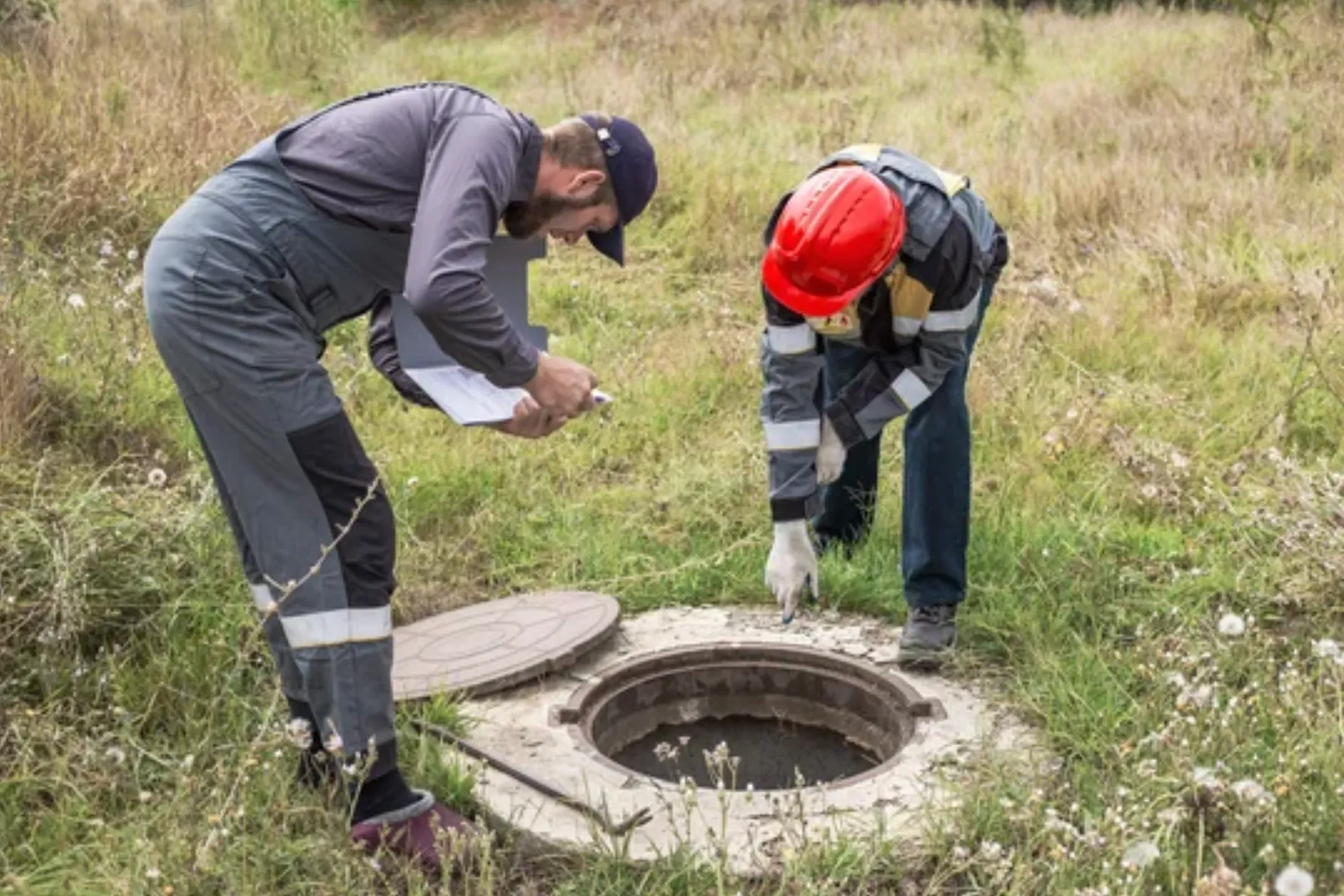
ASAP Septic Systems Inc stands out as Greenville’s trusted provider for septic inspection and septic tank services. Our experienced professionals conduct thorough inspections to identify potential issues early and help prevent costly repairs. We use proven techniques and specialized equipment to evaluate your septic system’s condition and ensure it operates safely and efficiently.
Local Expertise in Greenville, NC
Our intimate knowledge ensures that your septic inspection is conducted according to the precise standards required by local health departments and environmental mandates.
Certified, Highly-Trained Technicians
Our team are experts in conducting a thorough septic tank inspection and accurately diagnosing complex system issues.
Commitment to Customer Satisfaction
Our commitment to honesty and fair pricing means you get exceptional value for your septic system inspection.
FAQs About Our Septic Inspections
What does a septic system inspection include?
A septic inspection includes locating the tank, uncovering access lids, checking sludge and scum levels, inspecting baffles, evaluating flow, and looking for leaks, blockages, or structural issues.
How often should I schedule a septic inspection?
Most systems should be inspected every 1–3 years. Systems with pumps, alarms, or advanced treatment components may require more frequent inspections.
Is the drain-field inspected during a septic inspection?
Yes. Inspectors evaluate the drain-field for signs of failure such as wet spots, soggy soil, pooling water, or unusually green areas.
Do inspectors check sludge and scum levels in the tank?
Yes. Measuring sludge and scum thickness helps determine whether the tank needs pumping and ensures it continues to operate efficiently.
Are pumps, alarms, and other mechanical parts included in the inspection?
Yes. All mechanical components—such as pumps, floats, switches, filters, and alarms—are tested to confirm they are functioning correctly.
Contact ASAP Septic Systems Inc for Sewage Inspections in Greenville, NC
If you're ready to schedule your septic inspection or have questions about your system, our team is here to help. We offer fast scheduling, professional guidance, and reliable results that protect your home or business.
Call
(252) 756-0267 today to book your septic tank inspection service with ASAP Septic Systems Inc. We look forward to providing you with dependable, expert septic solutions you can count on.